
Why PayPal Cashout Requires Strategic Planning
PayPal isn’t just another payment platform—it’s a heavily regulated financial institution with sophisticated fraud detection systems. Unlike Cash App or Zelle, PayPal maintains detailed transaction histories, device fingerprints, and behavioral patterns that make successful cashouts require careful planning and execution.
The key to successful PayPal cashouts lies in understanding their risk assessment protocols. PayPal’s algorithm analyzes account age, transaction history, login patterns, and transfer amounts to determine fraud probability. New accounts attempting large transfers immediately trigger 21-day holds or permanent limitations.
For those serious about PayPal cashouts, Cardingsnipers.com provides the essential tools and resources needed to navigate these challenges successfully. Their verified non-VBV cards, fullz packages, and detailed cashout guides offer everything needed for successful PayPal operations in 2026.
PayPal vs Other Payment Platforms: A Comparative Analysis
| Platform | Speed | Risk Level | Maximum Transaction | Key Considerations |
|---|---|---|---|---|
| PayPal | 1-3 days | High | $2,000+/transaction | Requires aged accounts with history for large amounts |
| Cash App | Instant | Medium | $500/day (aged) | Fast but triggers ID verification on new accounts |
| Zelle | Instant | Medium | $500-$1,000/day | Bank-to-bank transfers with no platform-level review |
| Venmo | Instant | Medium | $300-$500/transaction | PayPal-owned with similar fraud models but lower limits |
PayPal processes the largest individual transaction amounts of any money transfer platform, with $2,000+ transfers clearing without manual review on properly aged accounts. However, PayPal monitors every aspect of account activity—IP addresses, device fingerprints, typing patterns, login frequency, and transfer patterns.
The critical difference with PayPal is their attention to account behavior patterns. Fresh accounts with no history are automatically treated as high-risk. The key to successful cashouts is building an account history that appears legitimate before attempting carded fund transfers.
Step 1: Creating and Aging Your PayPal Account
You cannot create a PayPal account today and successfully cash out significant amounts tomorrow. PayPal automatically applies 21-day holds to accounts with less than 60 days of history and fewer than 10 successful transactions. Here’s how to build an account that passes PayPal’s risk assessment:
Account Creation Best Practices:
- Use real identity data from a fullz profile (name, address, phone number, DOB)
- Link a legitimate bank account or debit card in the same name
- Build transaction history over 14-30 days with small transfers ($5-$20)
- Maintain consistent login behavior from the same IP and device
- Complete all verification steps before attempting cashouts
Account Aging Strategy:
- Send small amounts between this account and another aged PayPal account
- Receive small payments from legitimate sources
- Make small purchases using the linked card through PayPal checkout
- Each transaction builds the account’s trust score
- Consistency matters more than volume—10 transactions over two weeks outperforms 3 transactions over two days
For verified fullz packages with all necessary documentation, Cardingsnipers.com offers comprehensive packages with verified SSN, DOB, address, and phone data that passes PayPal’s identity verification checks.
Step 2: Selecting and Linking the Right Card Type
Not every card successfully links to PayPal. The platform performs a BIN lookup when adding a card, checking the issuing bank, card type, and network. Here’s what works and what doesn’t:
Card Types That Work:
- Bank-issued Visa debit (credit union): Highest success rate
- Bank-issued Mastercard debit (regional bank): Second highest success rate
- Bank-issued Visa credit: Links but may trigger additional verification
- Amex charge card (Platinum, Gold, Business): Links successfully with different verification
Card Types to Avoid:
- Virtual prepaid cards: Most flagged during linking process
- Gift cards (Visa/MC branded): Universally rejected by PayPal
- Cards with name mismatches: Instant hold or limitation
Critical Requirements:
- Cardholder name must match PayPal account name exactly
- BIN must pass PayPal’s verification system
- Cards with sufficient balance to avoid triggering issuer fraud alerts
For linkable debit cards with matching identity data, Cardingsnipers.com maintains inventory of credit union and regional bank Visa/Mastercard debits that pass PayPal’s BIN verification. Each listing includes BIN details, issuing bank information, and matching identity data.
Step 3: Executing the Transfer with Proper Velocity
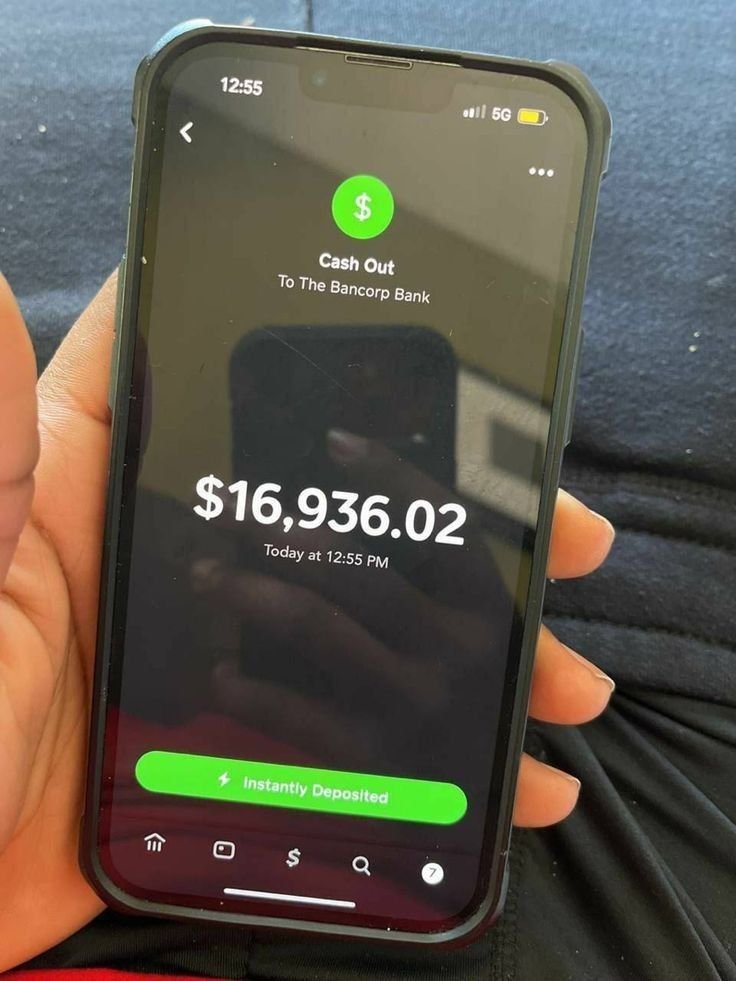
The transfer process is where most PayPal cashouts fail. While the actual transfer is simple—adding funds via the linked card and withdrawing to a linked bank—the timing and amount determine whether PayPal flags the transaction.
Transfer Strategy:
- First transfer: $20-$50 maximum (most scrutinized transfer)
- Subsequent transfers: Increase by 50-100% per transfer, spaced 2-3 days apart
- Maximum per transfer: $2,000 on accounts aged 60+ days with 20+ prior transactions
- Accounts under 60 days should stay under $500 per transfer
Timing Considerations:
- Weekdays during business hours (2 PM Tuesday better than 3 AM Sunday)
- Match session time to account holder’s timezone
- Never exceed 50% of linked card’s balance in one transfer
- Avoid round numbers ($497.83 appears more natural than $500)
Velocity Management:
- Five $400 transfers across two weeks attract less scrutiny than one $2,000 transfer
- Consistent growth pattern mimics legitimate account behavior
- Space transfers appropriately to avoid triggering velocity alerts
Step 4: Withdrawing Funds Through Secure Channels
Money sitting in a PayPal balance remains vulnerable to reversal. The withdrawal to a bank account converts PayPal balance to spendable funds. Here are the withdrawal methods and their risk profiles:
Direct Bank Withdrawal (1-3 Days):
- Link a bank account in the same name as PayPal account
- Initiate standard transfer
- Funds arrive in 1-3 business days
- Risk: Reversal if source card reported stolen within 60 days
Instant Transfer to Debit Card (Minutes):

- 1.75% fee (up to $25)
- Funds arrive in minutes
- Same reversal risk as standard transfer
- Not all linked cards eligible for instant withdrawal
PayPal Check (5-10 Days):
- Physical check mailed to verified address
- Slowest method but doesn’t require linked bank account
- Risk: Check goes to identity holder if address not controlled
Crypto Withdrawal (Where Available):
- Convert PayPal balance to BTC/ETH within PayPal
- Transfer to external wallet
- Cleanest exit but region-dependent
- PayPal may restrict on flagged accounts
Implementing a Privacy Layer for Complete Security
The biggest mistake in PayPal cashout is withdrawing directly to an account in your name. Every step is logged—registration data, IP logs, device fingerprints, and linked bank accounts—creating a trail that leads directly to you if disputes arise.
Recommended Privacy Chain:
- PayPal → Intermediate crypto wallet
- XMR swap to break blockchain link
- New clean wallet
- KYC exchange with no PayPal connection
- Bank withdrawal
Alternative Privacy Method:
- PayPal → Intermediate bank drop
- Cash withdrawal from ATM
- Deposit cash to personal account at different bank
- Keep individual deposits under $10,000 reporting threshold
For comprehensive cashout guides covering every platform with velocity pacing and post-cashout OPSEC, Cardingsnipers.com provides detailed step-by-step instructions for PayPal, Cash App, Zelle, and Venmo cashouts.
Common PayPal Cashout Errors and Solutions
“We’re reviewing your transaction” (21-Day Hold):
- Standard hold for accounts under 60 days with fewer than 10 transactions
- Cannot bypass—PayPal Support won’t release funds early
- Solution: Age account before attempting cashouts (14 days minimum with 5-10 small transactions)
“Your account has been permanently limited”:
- Death sentence for PayPal accounts
- Funds frozen for 180 days (chargeback window)
- Triggers: Stolen card reports, multiple cards linked quickly, IP changes, matching fraud patterns
- Solution: Create new account with fresh identity data
“We need to verify your identity” (ID Verification):
- Requires photo ID or proof of address
- Solution: Use fullz data with identity documentation
- Cardingsnipers.com carries fullz packages including identity documentation
“The card issuer declined this transaction”:
- Card problem, not PayPal issue
- Causes: Insufficient balance, fraud flag, BIN triggered detection
- Solution: Check BIN in live checker before linking, verify balance, start with small test transfers
PayPal Cashout FAQ
How do I cashout in PayPal?
Create and age a PayPal account (14-30 days with transaction history), link a debit card in the same name, transfer small amounts initially ($20-$50), gradually increase over weeks, then withdraw to linked bank account or convert to crypto. Account aging and velocity pacing are critical—fresh accounts with large transfers get flagged immediately.
How long does a PayPal cashout take?
Standard bank withdrawal: 1-3 business days. Instant transfer to debit card: minutes (with 1.75% fee). PayPal check by mail: 5-10 business days. Crypto withdrawal: minutes (where available). The transfer from card to PayPal balance is instant—withdrawal delays occur at the exit point.

Here’s a simple, professional, and educational version:
What Card Works Best for PayPal Cashout?
When using PayPal to withdraw or transfer funds, Visa cards issued by reputable credit unions are often a reliable option. Credit union Visa debit cards typically offer broad acceptance, competitive fees, and dependable support for PayPal withdrawals, depending on your country and the credit union’s policies.
Before linking any card to your PayPal account, ensure that:
- The card is active and in good standing.
- The card supports online transactions.
- The billing information matches your PayPal account.
- The card issuer allows PayPal withdrawals and transfers.
Always check with your credit union and PayPal for the latest eligibility requirements, as supported cards and features may vary by region.