

Advanced Cybersecurity Analysis:
Executive Summary
Understanding the sophisticated methodologies employed by malicious actors to compromise financial accounts has become paramount in today’s digital banking ecosystem. By examining these advanced attack vectors, financial institutions and consumers can implement robust countermeasures to protect monetary assets from increasingly sophisticated cyber threats. This analysis examines the primary techniques utilized by threat actors to gain unauthorized access to banking credentials and financial resources.
The Evolving Digital Banking Threat Landscape
With the exponential growth of online banking adoption rates, cybercriminals have intensified their efforts to harvest authentication credentials. What distinguishes contemporary threats is their increasing sophistication and the multi-layered approaches employed by attackers to circumvent traditional security measures.
1. Mobile Banking Trojan Infiltration Techniques
1.1 Application Spoofing Methodologies
The proliferation of mobile banking applications has created a lucrative attack surface for malware developers. The fundamental attack vector involves creating fraudulent replicas of legitimate banking applications and distributing them through unauthorized third-party platforms. When unsuspecting users authenticate through these counterfeit applications, their credentials are immediately transmitted to threat actors.
1.2 Advanced Trojan Substitution Techniques
More sophisticated variants employ stealthier methodologies that don’t directly mimic banking applications. These malicious applications are typically disguised as unrelated software with embedded Trojan functionality. Upon installation, these Trojans conduct comprehensive device reconnaissance to identify installed banking applications.
When users attempt to access legitimate banking applications, the Trojan overlays an indistinguishable counterfeit interface, capturing authentication credentials. These advanced Trojans frequently request SMS permissions during installation, enabling them to intercept two-factor authentication codes as they’re transmitted.
1.3 Mitigation Strategies for Mobile Banking Threats
- Exclusively download applications from verified official app stores
- Scrutinize developer verification and application review metrics
- Exercise extreme caution with applications exhibiting disproportionate review-to-popularity ratios
- Implement granular permission management, particularly for accessibility services
- Avoid third-party application repositories entirely
2. Advanced Phishing Methodologies
Read more: Reliable vendors, cvv, bank logs, cash app, wallet top up
2.1 Business Email Compromise (BEC) Techniques

As general phishing awareness increases, attackers have evolved toward more sophisticated social engineering methodologies. Business Email Compromise represents a particularly insidious approach where attackers gain access to trusted email accounts and leverage them for credential harvesting. These attacks are exceptionally difficult to detect as they originate from legitimate email addresses and may incorporate personal information to enhance credibility.
2.2 Phishing Mitigation Protocols
- Implement zero-trust verification protocols for all financial communications
- Establish alternative verification channels for sensitive transactions
- Develop email authentication verification procedures
- Maintain skepticism toward unsolicited financial communications regardless of apparent legitimacy
3. Credential Harvesting Malware
3.1 Keylogger Functionality
Keyloggers represent one of the more surreptitious methodologies for credential acquisition. These specialized malware variants capture keystroke data and transmit it to command-and-control servers. The danger becomes particularly acute when users input banking URLs followed by authentication credentials, providing attackers with complete account access vectors.
3.2 Keylogger Mitigation Strategies
- Implement comprehensive endpoint protection solutions
- Utilize virtual keyboard functionality for sensitive authentication
- Maintain regular security solution updates
- Employ network traffic monitoring for suspicious data exfiltration patterns
Learn the techniques hackers use to dive bank accounts is crucial for safeguarding your finances. By being alert of the various tactics employed by cybercriminals, you can better protect your savings from potential threats. Below are several strategies that hackers may utilize to gain unauthorized access to your financial details and drain your bank account.
Read more about hackers and how they operate
Readers like you help support ALISHA MONT on cardingsnipers (TPUD) blog. When you purchase from our shop using links on our site, we may earn an affiliate commission.
With so many users making the jump to internet banking, it’s no wonder that hackers are on the hunt for login details.
SHOP NON-VBV
TRUSTED VENDORS
What may be surprising, however, is the lengths that these individuals will go to access your finances.
Here’s a look at how hackers target your bank account and how to stay safe
1:MOBILE BANK TRAJONS
Today, your smartphone can do everything you need to do with your money. Most of the time, a bank will have an official app that you can log in to check your account. This is convenient, but it has become a key attack vector for malware authors.
How Hackers Breach Bank Accounts: 5 Techniques and Protection Strategies in 2026
Introduction: The Evolving Landscape of Banking Security Threats
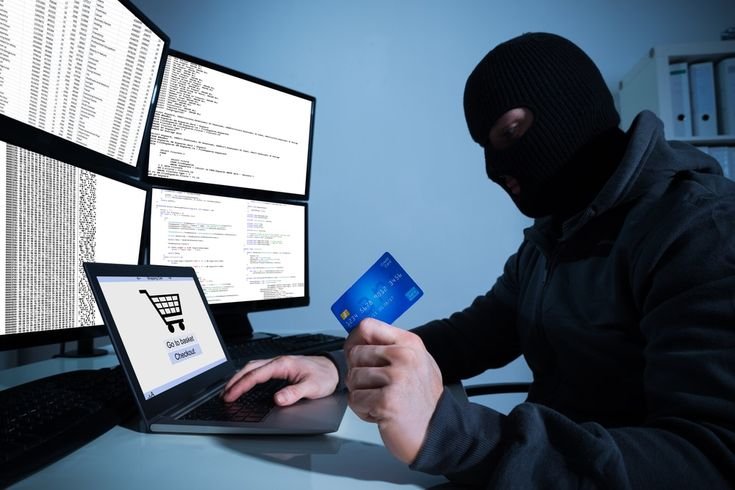
As digital banking continues to dominate financial transactions in 2026, cybercriminals have developed increasingly sophisticated methods to breach bank accounts. Understanding these techniques is crucial for protecting your financial assets in an era where banking convenience comes with inherent security risks. This comprehensive guide examines the five primary methods hackers use to compromise bank accounts and provides actionable protection strategies for each threat.
1. Fake Banking Applications: The Mobile Trojan Threat
The Two Primary Approaches to Mobile Banking Fraud
Basic App Spoofing
The most straightforward attack involves creating counterfeit banking applications. Malware developers replicate legitimate banking apps and distribute them through third-party platforms. When users download these fraudulent applications and enter their credentials, the information is immediately transmitted to the attacker.
Advanced Mobile Banking Trojans
A more sophisticated variant operates as stealth malware embedded within seemingly unrelated applications. These Trojans remain dormant until detecting the launch of a legitimate banking app, at which point they overlay an identical interface. Users unknowingly enter their credentials into these fake login screens, which are then transmitted to the malware operator.
These advanced Trojans typically request SMS reading permissions during installation, enabling them to intercept two-factor authentication codes as they arrive.
Protection Strategies Against Mobile Banking Trojans
- Download exclusively from official app stores and verify developer authenticity
- Analyze app metrics: Legitimate banking apps should have substantial download counts and reviews
- Scrutinize app permissions: Reject unnecessary permission requests, especially from unrelated applications
- Beware of suspicious Android Accessibility Services requests from non-accessibility apps
- Avoid third-party app sources entirely for financial applications

2. Phishing Attacks: The Deceptive Communication Threat
The Evolution of Phishing Techniques
As user awareness of phishing tactics has increased, cybercriminals have refined their approaches. One particularly insidious method involves compromising trusted email accounts—such as those of legal professionals—and sending phishing emails from these previously legitimate sources.
The danger of this approach lies in its authenticity. The email address appears genuine, and the attacker may even incorporate personal details, making detection extremely challenging. This technique recently resulted in a £50,000 loss for a homebuyer who responded to what appeared to be a legitimate email address.
BUY RELIABLE BANK LOGS.
CARDABLE SITES
Protection Strategies Against Phishing Attacks
- Exercise skepticism with unknown senders and carefully examine email content
- Verify suspicious communications through alternative channels (preferably not email)
- Implement two-factor authentication across all sensitive accounts
- Maintain awareness of social media identity theft techniques often used in phishing campaigns
- Use email security solutions that flag suspicious communications
3. Credential Theft Malware: The Silent Information Harvesters
Keyloggers: The Unseen Threat
Keyloggers represent one of the more subtle banking compromise techniques. This malware captures keystrokes and transmits them to attackers, who can then extract sensitive information including banking credentials.
The danger becomes apparent when users enter banking website URLs followed by usernames and passwords—all of which are captured and transmitted to the attacker, providing complete account access.
Protection Strategies Against Keyloggers
- Install reputable antivirus software with regular updates
- Enable two-factor authentication wherever available, as it mitigates keylogger effectiveness
- Use password managers that auto-fill credentials, bypassing keyboard entry
- Implement endpoint protection solutions with behavioral detection capabilities
- Regularly scan for malware using multiple security tools
4. Man-in-the-Middle (MITM) Attacks: Intercepting Banking Communications
MITM Attack Methodologies
MITM attacks target the communication channel between users and banking platforms. These attacks typically manifest in two forms:
Network-Based Interception
Attackers target insecure networks to analyze data passing through them. When login details are transmitted over these compromised networks, attackers “sniff” and capture the information.
DNS Cache Poisoning
More sophisticated attackers employ DNS cache poisoning to redirect users to fraudulent websites. When users enter legitimate banking URLs, they’re directed to attacker-controlled clone sites that capture credentials.
Read more: about cardings to get more kwonledge
Protection Strategies Against MITM Attacks
- Avoid banking activities on public or unsecured networks
- Verify HTTPS presence in the address bar before entering credentials
- Use reputable VPN services to encrypt data transmission on public networks
- Implement DNS security solutions that prevent cache poisoning
- Bookmark legitimate banking sites rather than typing URLs manually
5. Mobile Number Hijacking: SIM Swapping Attacks
The SIM Swapping Technique
SMS authentication codes present significant challenges for attackers, but SIM swapping provides a workaround. Attackers contact mobile service providers, impersonating account holders and claiming phone loss. They request number transfers to their SIM cards.
If successful, the legitimate user’s number is transferred to the attacker’s SIM, allowing them to intercept SMS-based authentication codes. When they attempt to access bank accounts, verification codes are sent to their device rather than the legitimate user’s.
Protection Strategies Against SIM Swapping
- Safeguard personal information to prevent identity theft
- Implement additional security measures with mobile service providers
- Use authentication apps rather than SMS-based 2FA when possible
- Establish verbal security passwords with mobile providers for account changes
- Monitor for unexpected service disruptions that might indicate SIM swapping attempts
Comprehensive Banking Security Framework for 2026
Multi-Layered Protection Approach
Effective banking security requires a comprehensive strategy combining multiple protection layers:
- Strong, unique passwords for each financial account
- Multi-factor authentication using app-based methods rather than SMS
- Regular account monitoring with immediate reporting of suspicious activities
- Security software maintenance across all devices used for banking
- Network security awareness when accessing financial accounts remotely
Emerging Threat Considerations
As banking security evolves, new threats continue to emerge:
- AI-powered phishing attacks with increasingly sophisticated personalization
- Biometric spoofing techniques targeting fingerprint and facial recognition
- Quantum computing threats to current encryption standards
- Cross-platform credential harvesting attacks targeting multiple financial services simultaneously
Frequently Asked Questions
How often should I change my banking passwords?
While specific recommendations vary, most security experts suggest updating banking passwords every 90 days or immediately if any breach is suspected.
Are mobile banking apps safer than web-based banking?
When downloaded from official sources and used with proper security measures, mobile banking apps often provide additional security features like biometric authentication and transaction notifications.
What should I do if I suspect my bank account has been compromised?
Immediately contact your bank’s fraud department, change your online banking credentials, enable additional security measures, and monitor all accounts for unauthorized transactions.
What to Do Immediately If You Suspect Your Bank Account Has Been Compromised: 2026 Action Guide
Discovering unauthorized activity in your bank account can trigger significant financial stress and uncertainty. Taking swift, decisive action is crucial to minimizing potential damage and securing your financial assets. This comprehensive guide outlines the essential steps to protect yourself when you suspect your bank account has been compromised.
Immediate Actions to Take
1. Contact Your Bank’s Fraud Department Immediately
Time is of the essence when responding to potential account compromise. Most financial institutions have dedicated fraud departments available 24/7 through:
- Emergency hotlines (usually listed on the back of your debit/credit card)
- Secure messaging through your online banking portal
- In-person visits to local branches during business hours
When contacting your bank, request they:
- Place a temporary freeze on your account
- Cancel and replace compromised cards
- Flag your account for enhanced monitoring
- Provide specific details about any suspicious transactions
2. Change Your Online Banking Credentials
Secure your digital access immediately by updating:
- Account passwords: Create a strong, unique password combining uppercase/lowercase letters, numbers, and special characters
- Security questions: Choose questions with answers that aren’t publicly discoverable
- Usernames: If possible, change your login identifier
- PIN numbers: Update debit card PINs through secure channels
Pro tip: Use a password manager to generate and store complex credentials for each financial account.
3. Enable Additional Security Measures
Strengthen your account protection with these enhanced security options:
- Two-factor authentication (2FA): Require verification through multiple channels
- Biometric authentication: Implement fingerprint or facial recognition where available
- Transaction alerts: Set up real-time notifications for all account activities
- Spending limits: Establish maximum daily transaction amounts
- Geographic restrictions: Limit transactions to your usual locations
4. Monitor All Accounts for Unauthorized Transactions
Conduct a thorough review of your financial history:
- Check recent transactions: Identify any unfamiliar charges or withdrawals
- Review pending transactions: Flag suspicious items before they complete
- Examine linked accounts: Check credit cards, loans, and investment accounts
- Scan credit reports: Obtain free reports from major credit bureaus
- Document everything: Keep detailed records of all suspicious activity
Additional Protective Measures
Also Read: Reliable cardable sites, cvv, bank logs,cash app, clonned cards, click here.
Secure Your Digital Presence
Beyond your bank account, safeguard your overall financial identity:
- Update passwords for other financial platforms
- Enable fraud alerts with credit bureaus
- Consider a credit freeze for maximum protection
- Review and update privacy settings on financial apps
Report to Authorities
For significant compromises, file reports with:
- Federal Trade Commission (FTC): Through IdentityTheft.gov
- Local law enforcement: Especially for large-scale fraud
- Consumer Financial Protection Bureau: For banking-related complaints
- Internet Crime Complaint Center: For online-based fraud
Prevention Strategies for the Future
After addressing immediate concerns, implement these long-term protections:
- Regular account monitoring: Check accounts at least weekly
- Secure network practices: Avoid public Wi-Fi for financial transactions
- Document shredding: Destroy sensitive financial documents
- Phishing awareness: Recognize and avoid suspicious communications
- Software updates: Keep devices and security software current
Recognizing Signs of Account Compromise
Stay vigilant for these warning indicators:
- Unexplained transactions: Charges you don’t recognize
- Missing funds: Unaccounted withdrawals or transfers
- Locked access: Inability to log into your account
- Unexpected communications: Emails or texts about account changes
- Credit report changes: New accounts or inquiries you didn’t authorize
When to Escalate Your Response
Consider professional assistance if:
- Multiple accounts are compromised
- Large sums are involved
- Identity theft is suspected
- Your bank isn’t responding adequately
- The compromise affects business accounts
Conclusion
Responding quickly and methodically to suspected bank account compromise can significantly reduce financial damage and restore security. By following these steps, you’re taking control of a stressful situation and implementing protections that will serve you well into the future.
Remember that financial institutions typically have robust fraud protection policies, but your prompt action is essential to trigger these safeguards. Stay vigilant, maintain detailed records, and don’t hesitate to seek professional guidance if the situation feels overwhelming.