

Executive Summary
In the evolving landscape of financial data acquisition and utilization, understanding the fundamental differences between dumps and fullz has become paramount for professionals operating in digital finance. This analysis provides a detailed examination of both data types, their applications, security considerations, and practical implementation strategies in 2026’s complex financial ecosystem.
Defining the Data Types
Dumps: Raw Financial Track Data
Dumps represent the raw magnetic stripe data extracted from payment cards, containing essential information encoded on Tracks 1 and 2 of payment cards. This data includes:
- Primary Account Number (PAN)
- Cardholder Name
- Expiration Date
- Service Code
- Discretionary Data
The technical structure follows ISO/IEC 7813 standards for magnetic stripe data, with Track 1 containing alphanumeric information and Track 2 containing numeric data essential for transaction processing.
Fullz: Comprehensive Identity Packages
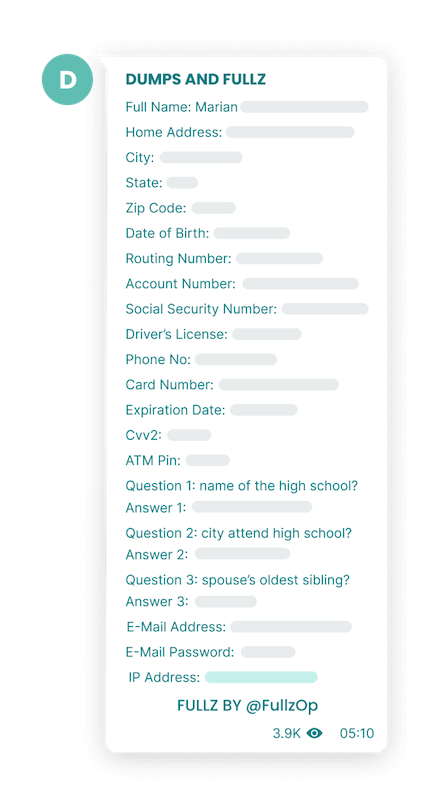
Fullz (abbreviated from “full information”) constitute complete identity profiles containing multiple personal and financial identifiers. A comprehensive fullz package typically includes:
- Full legal name and current address
- Social Security Number or national identifier
- Date of birth and place of birth
- Contact information (phone, email)
- Financial account details
- Security credentials and answers
This data aggregation enables multifaceted financial operations across various platforms and services.
Comparative Analysis: Dumps vs Fullz
| Feature | Dumps | Fullz |
|---|---|---|
| Primary Use | Card cloning & ATM withdrawals | Identity takeover & online fraud |
| Data Format | Magnetic stripe data (Tracks 1/2) | Complete identity profile |
| Required Equipment | Card encoders, blank cards | Computer with internet access |
| Physical Risk | High (requires presence at ATMs/terminals) | Low (remote operations) |
| Monetization Speed | Immediate cash withdrawal | Delayed (application processes) |
| Typical Price Range | $10-$150 per card | $30-$300 per record |
| Legal Classification | Payment card fraud | Identity theft |
Technical Implementation Framework
Dumps Utilization Protocol
Implementing dumps requires specialized hardware and technical knowledge:
- Card Encoding Process: Data must be transferred to magnetic stripe using compatible encoders
- Quality Verification: Embossers and readers verify card functionality before use
- Terminal Selection: Understanding POS entry modes and terminal compatibility
- Withdrawal Strategy: Systematic approach to ATM utilization and cash extraction
Fullz Monetization Strategies
Fullz utilization involves multiple approaches:
- Financial Application Fraud: Credit applications, loan stacking, and account creation
- Government Program Exploitation: Tax returns, benefits applications, and stimulus claims
- E-commerce Account Takeover: Platform infiltration and fraudulent purchases
- Synthetic Identity Creation: Combining real and fabricated information for new identities
Risk Assessment and Mitigation
Security Considerations
Both data types present distinct risk profiles:
- Dumps: Physical detection during ATM usage, surveillance capture, and device tracking
- Fullz: Digital footprint analysis, IP tracing, and behavioral pattern recognition
Operational Security Protocols
Implementing robust security measures includes:
- Compartmentalization: Separating operational elements to minimize exposure
- Pattern Disruption: Varying methods, locations, and transaction amounts
- Information Control: Restricting knowledge distribution and operational details
- Technical Obfuscation: Utilizing VPNs, proxies, and anonymizing tools
Market Analysis and Vendor Evaluation
Current Market Dynamics
The financial data marketplace in 2026 exhibits these characteristics:
- Price Variability: Regional differences and data quality impact pricing structures
- Vendor Reliability: Established platforms with verification protocols command premium prices
- Data Freshness: Timeliness directly correlates with success rates and pricing
- Specialization: Vendors focusing on specific data types or geographic regions
Vendor Selection Criteria
When sourcing financial data, professionals consider:
- Verification Processes: Testing protocols and validity confirmation
- Replacement Policies: Guarantees against invalid data
- Payment Security: Escrow systems and transaction protection
- Technical Support: Implementation guidance and troubleshooting
Implementation Scenarios
Scenario 1: Structured ATM Withdrawal Protocol
A systematic approach to dumps utilization involves:
- Data Acquisition: Sourcing verified dumps with PIN from reputable vendors
- Card Production: Encoding data onto high-quality blank cards
- Location Mapping: Identifying optimal ATM networks and withdrawal patterns
- Execution Protocol: Structured withdrawal schedule with predetermined limits
Scenario 2: Comprehensive Fullz Monetization
Fullz implementation follows this framework:
- Data Assessment: Evaluating credit profiles and financial histories
- Application Strategy: Targeting specific financial products and services
- Execution Timeline: Coordinated application submission sequence
- Monetization Channels: Diversified conversion methods for obtained funds
Future Trends and Adaptation Strategies
The financial data landscape continues to evolve with:
- Enhanced Security Protocols: EMV chip adoption and biometric verification
- AI-Powered Detection: Machine learning algorithms identifying anomalous patterns
- Regulatory Changes: Updated legislation impacting enforcement priorities
- Technological Advancements: New payment methods and security features
Professional Recommendations
For optimal results, professionals should:
- Specialize: Focus on specific data types and methodologies
- Maintain Quality Standards: Prioritize data validity over quantity
- Implement Security Protocols: Protect operational integrity at all levels
- Stay Informed: Monitor industry developments and technological changes
- Develop Contingency Plans: Prepare for market shifts and disruptions
Conclusion
The dumps vs fullz decision ultimately depends on operational preferences, technical capabilities, and risk tolerance. Dumps offer immediate liquidity with higher physical risk, while fullz provide remote operation capabilities with delayed monetization. Success in either domain requires technical expertise, market awareness, and robust security protocols.
For professionals seeking reliable financial data resources, Cardingsnipers.com offers comprehensive solutions including verified dumps, complete fullz packages, and specialized tools for financial operations. Their inventory includes USA, Canada, UK, Australia, and European data with verification protocols and customer support.
Cybersecurity Perspective
From a cybersecurity standpoint, the financial data ecosystem represents significant vulnerabilities in payment processing and identity verification systems. The existence of markets for dumps and fullz underscores fundamental security challenges in financial infrastructure. Financial institutions must implement multilayered security approaches including:
- Advanced transaction monitoring
- Behavioral biometrics
- Device fingerprinting
- Real-time risk assessment
The ongoing arms race between security professionals and financial data exploiters necessitates continuous innovation in authentication methods and transaction verification protocols. As detection methods improve, so too do the techniques for circumventing them, creating an endless cycle of adaptation and countermeasures.
Frequently Asked Questions
What distinguishes dumps from fullz in practical application?
Dumps contain magnetic stripe data for card cloning and ATM withdrawals, while fullz provide complete identity information for remote financial operations and account takeovers.
How has the market evolved in 2026?
The market has become more specialized with increased security measures, vendor verification protocols, and regional price variations based on banking infrastructure and enforcement priorities.
What technical equipment is necessary for dumps utilization?
Card encoders, blank plastic cards with magnetic stripes, and optional embossers for creating higher quality clones are essential equipment for dumps operations.
How do professionals mitigate detection risks?
Successful operators implement compartmentalization, pattern disruption, technical obfuscation, and strict information control protocols to minimize detection risks.
Where can professionals find verified financial data resources?
Cardingsnipers.com offers comprehensive solutions including verified dumps with PIN, complete fullz packages, and specialized tools for financial operations with customer support and verification protocols.
Also read: Best sites with dumps
Advanced Monetization Strategies
Maximizing Dumps Potential
To optimize returns from dumps, professionals employ sophisticated approaches:
- Network Analysis: Identifying banking institutions with more vulnerable ATM networks and less sophisticated fraud detection systems. Regional banks and credit unions often present more favorable cash-out opportunities.
- Timing Strategies: Understanding withdrawal patterns that avoid triggering automatic alerts. This includes knowledge of daily limits, frequency thresholds, and time-of-day anomalies that might flag suspicious activity.
- Geographic Distribution: Implementing systematic geographical dispersion to avoid creating detectable patterns. This involves mapping optimal locations across different jurisdictions to minimize correlation.
- Denomination Optimization: Calculating the ideal withdrawal amounts to maximize returns while staying below predetermined thresholds that trigger enhanced scrutiny or manual review processes.
Fullz Exploitation Framework
Professional fullz monetization requires systematic approaches:
- Credit Profile Assessment: Evaluating credit scores, existing account relationships, and financial histories to determine optimal exploitation strategies.
- Application Sequencing: Coordinating multiple applications across different financial products to maximize returns before detection mechanisms activate.
- Bank Matching: Identifying financial institutions with less rigorous verification processes or those more vulnerable to identity-based fraud.
- Conversion Optimization: Developing efficient methods for converting obtained funds into untraceable assets through sophisticated laundering techniques.
Technical Infrastructure Requirements

Hardware Components
For optimal dumps operations, professionals require:
- High-coercivity magnetic stripe encoders (MSR206, MSR605X, or equivalent)
- Quality blank cards with appropriate magnetic stripe formulations
- Embossing machines for creating authentic-looking cards
- Point-of-sale devices for testing card functionality
- Dedicated operational environments separated from personal equipment
Software and Digital Tools
Successful financial data operations utilize:
- Card verification software for testing dump validity
- Anonymous operating systems configured for operational security
- Encryption tools for protecting sensitive data
- Communication platforms with enhanced privacy features
- Specialized browsers configured for anonymity and security
Risk Management Framework
Legal Considerations
Professionals must understand the legal landscape:
- Statutory Penalties: Identity theft carries potential sentences of 5-15 years federal time, with sentencing guidelines incorporating factors such as number of victims, financial loss amounts, and sophistication of methods.
- Jurisdictional Variations: Enforcement priorities and resources vary significantly between federal districts, with some regions pursuing more aggressive prosecution strategies.
- International Dimensions: Cross-border operations introduce additional legal complexities including extradition treaties and international cooperation agreements.
Operational Security Protocols
Implementing robust security measures includes:
- Compartmentalization: Separating operational elements to minimize exposure risk and limit potential damage if any component is compromised.
- Digital Hygiene: Maintaining strict separation between operational and personal digital identities, including dedicated devices and communication channels.
- Physical Security: Securing operational equipment and materials in locations with controlled access and minimized surveillance exposure.
- Pattern Disruption: Implementing systematic variations in methods, locations, and timing to avoid creating detectable operational patterns.
Market Intelligence and Vendor Relations
Identifying Reliable Sources
The financial data marketplace requires careful evaluation:
- Verification Protocols: Reputable vendors implement testing procedures and provide validity guarantees for their products.
- Market Reputation: Established vendors maintain consistent presence across multiple platforms with verifiable transaction histories.
- Specialization Indicators: Quality vendors often develop expertise in specific data types or geographic regions.
- Support Infrastructure: Professional operations include responsive customer service and technical support.
Transaction Security
Secure marketplace participation involves:
- Escrow systems that verify product delivery before releasing funds
- Encrypted communication channels for sensitive exchanges
- Verification methods that confirm product quality before finalizing transactions
- Dispute resolution processes for addressing product deficiencies
Future Outlook and Adaptation Strategies
Technological Evolution
The financial data landscape continues to transform:
- EMV Transition: The ongoing shift to chip technology reduces the utility of magnetic stripe data while creating new vulnerabilities in implementation processes.
- Biometric Integration: The adoption of fingerprint, facial recognition, and other biometric verification methods introduces both challenges and opportunities for financial data exploitation.
- Real-time Processing: Advanced transaction monitoring systems reduce the window for fraudulent activity while creating new detection evasion requirements.
Regulatory Developments
The legal environment continues to evolve:
- Enhanced Penalties: Legislative initiatives increasingly mandate minimum sentences and add enhancements for financial data offenses.
- International Cooperation: Cross-border law enforcement collaboration improves information sharing and joint operation capabilities.
- Industry Regulation: Financial institutions face heightened requirements for customer verification and transaction monitoring.
Professional Development Recommendations
Technical Skill Development
Maintaining operational effectiveness requires:
- Equipment Mastery: Developing proficiency with card encoding, embossing, and testing equipment.
- System Knowledge: Understanding payment processing networks, authorization systems, and security protocols.
- Software Competence: Utilizing specialized tools for data verification, encryption, and operational security.
Market Awareness
Staying informed involves:
- Community Engagement: Participation in specialized forums and communities where techniques and marketplace information are shared.
- Technology Monitoring: Tracking developments in payment processing, security measures, and detection methods.
- Legal Awareness: Understanding legislative changes, enforcement priorities, and judicial trends.
Conclusion: Strategic Implementation
The dumps vs fullz decision framework ultimately depends on operational preferences, technical capabilities, and risk tolerance. Success requires comprehensive understanding of both data types, their respective strengths and limitations, and the technical infrastructure necessary for effective implementation.
For professionals seeking comprehensive financial data solutions, Cardingsnipers.com offers specialized resources including verified dumps with PIN, complete fullz packages, and operational tools. Their platform provides customer support, verification protocols, and inventory covering multiple geographic regions and financial institutions.
The financial data landscape continues to evolve, requiring constant adaptation and refinement of techniques. Professionals who maintain technical expertise, implement robust security protocols, and stay informed about market developments will be best positioned to navigate the challenges and opportunities in this complex ecosystem.
Cybersecurity Implications
From a cybersecurity perspective, the financial data marketplace represents fundamental vulnerabilities in payment processing and identity verification systems. The persistence of markets for dumps and fullz despite enhanced security measures underscores the ongoing challenges in securing financial infrastructure.
Financial institutions must implement comprehensive security strategies including:
- Advanced behavioral analytics
- Multi-factor authentication protocols
- Real-time transaction monitoring
- Cross-institutional threat intelligence sharing
The dynamic nature of financial exploitation requires continuous evolution of security measures and detection methodologies. As security technologies advance, so too do the techniques for circumventing them, creating an persistent cycle of adaptation and countermeasures that defines the cybersecurity landscape in financial services.
For professionals seeking to optimize their financial data operations, Cardingsnipers.com provides comprehensive resources, verified data products, and specialized tools designed to address the challenges of today’s complex financial ecosystem.