
Table of Contents
| Introduction | The 2026 Skimmer’s Toolkit | Deployment & Harvest | Monetization Pipeline | Operational Security | Detection & Prevention | Conclusion |
|---|---|---|---|---|---|---|
| Understanding Modern ATM Skimming | Physical Overlays & Shimmers | Target Selection | Dumps vs Fullz | Digital Hygiene | Visual Inspection | Final Thoughts |
| Verified Vendors | Wireless Technology | Installation Windows | Cash-Out Gangs | Physical Security | Keypad Examination | Cardingsnipers Recommendation |
| Evolution of Skimming | PIN Capture Methods | Camouflage Techniques | Underground Economy | Compartmentalization | Prevention Strategies | Cybersecurity Future |
Introduction: Understanding the Modern ATM Skimming Threat
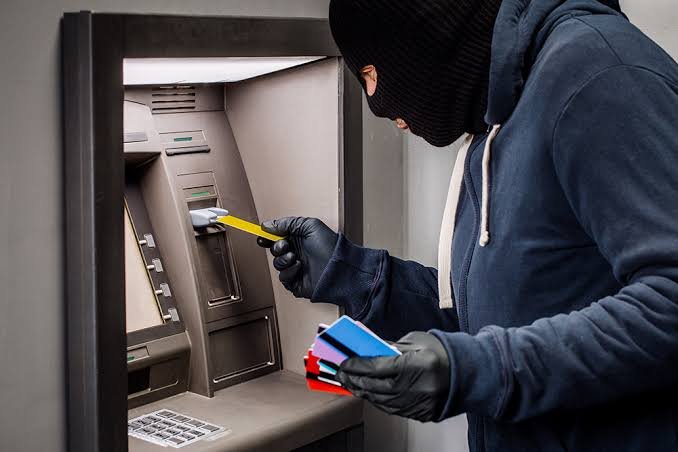
ATM skimming has evolved from crude plastic overlays to sophisticated, kernel-level attacks that threaten financial security worldwide. This comprehensive guide exposes the inner workings of the 2026 skimming ecosystem, examining everything from precision-engineered hardware to the complex underground economy that monetizes stolen data.
The modern ATM skimmer operates with unprecedented sophistication, blending advanced technology with psychological manipulation to remain invisible while exploiting vulnerabilities in both machines and human behavior. Understanding this threat landscape requires examining every component of the operation—from the devices themselves to the operational security that keeps perpetrators free.
The 2026 Skimmer’s Toolkit: No Room for Toys
Physical Overlays
Today’s skimmer overlays are precision-engineered using 3D printing and high-resolution scanning to match the exact curvature and color of target ATMs. Unlike crude homemade devices, these professional-grade overlays include:
- Custom-molded plastic shells that fit perfectly over card readers
- Integrated magnetic stripe readers with enhanced data capture capabilities
- Camouflage features like fake LED lights that mimic original ATM components
- Paint finishes matching specific ATM models and brands
Read also: Apple Pay Carding Method: Expert Cashout Guide
Deep Insert Shimmers
Shimmers represent the next evolution in skimming technology—ultra-thin circuit boards inserted directly into the card reader slot. These devices:
- Sit between the card and the internal reader, capturing magnetic stripe data
- Remain nearly invisible to users during normal operation
- Bypass visual inspection entirely by hiding within the machine
- Require physical retrieval but leave no external trace
Wireless Skimmers
Wireless skimmers have revolutionized data collection by eliminating the need for physical retrieval:
- Transmit stolen data via Bluetooth, Wi-Fi, or cellular networks
- Some models send real-time data to nearby receivers
- Advanced units eliminate visible data cables or storage compartments
- Reduce operator risk by enabling remote harvesting
PIN Capture Methods
Modern PIN capture techniques have evolved beyond simple cameras:
- Pinhole cameras hidden in ATM bezels, above screens, or in fake brochure holders
- Fake keypad overlays that record keystrokes through pressure sensors
- Thermal imaging cameras detecting heat signatures on keypads after use
- Side-channel analysis measuring electrical signatures of key presses
Deployment & Harvest: The Art of Invisibility
Target Selection
Not all ATMs present equal opportunity for skimmers. Prime targets include:
- Standalone ATMs in convenience stores, gas stations, and shopping malls
- Machines with high foot traffic but low security presence
- ATMs with predictable maintenance schedules
- Less frequently inspected units in tourist areas
Installation Windows
Timing is everything in skimmer deployment:
- Late night and early morning installations minimize detection
- Team operations allow for distraction and rapid installation
- Some installations take as little as 10 seconds in busy locations
- Different shifts used for installation and retrieval to avoid patterns
Camouflage and Misdirection
Effective skimmers blend seamlessly with their environment:
- Overlays matching ATM color schemes precisely
- Cameras hidden in reflective surfaces or fake components
- Strategic placement of signs or stickers directing users to compromised machines
- Use of legitimate-looking maintenance covers to hide devices
From Dump to Cash: The Monetization Pipeline
Read also: Non-VBV BINs List: Free USA CC Linkables
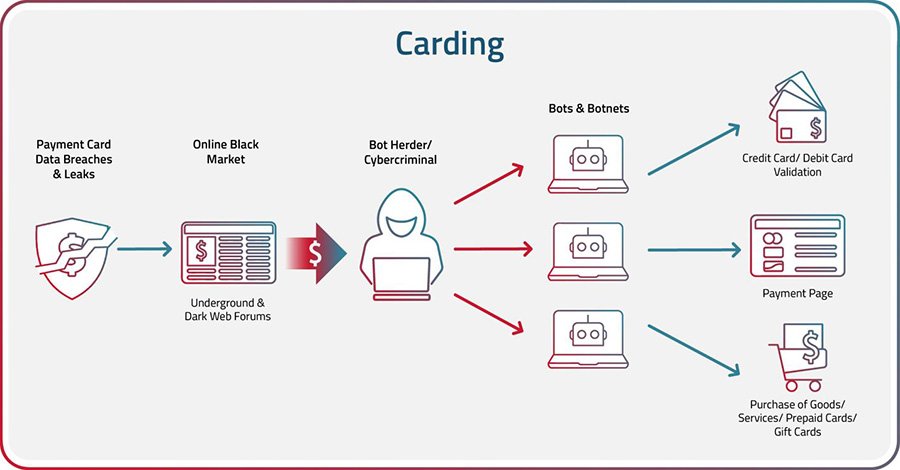
What Is a Dump?
In carding terminology, a dump contains data stored on a card’s magnetic stripe:
- Includes card number, expiration date, and service code
- May contain encoded cardholder name and additional data
- Sold in bulk or individually based on quality and freshness
- Graded by bank type, region, and usability
The Role of Cash-Out Gangs
Specialized groups turn stolen data into physical cash:
- Encode stolen data onto blank cards or re-encode existing cards
- Withdraw cash from ATMs or make retail purchases
- Use money mules to handle physical withdrawals
- Operate across jurisdictions to complicate prosecution
Selling the Data
Many skimmers sell raw data rather than cashing out themselves:
- Creates operational separation between data theft and monetization
- Data sold on underground markets and private channels
- Quality graded based on bank, card type, region, and freshness
- Premium prices for high-value cards from wealthy regions
Fullz vs Dumps
While dumps contain card data, fullz include complete identity profiles:
- Fullz contain name, address, Social Security number, date of birth
- Enable identity theft beyond simple card fraud
- Command higher prices due to expanded criminal utility
- Often packaged with bank account details for maximum value
Operational Security: The Wall Between You and a Cell
Digital Hygiene
Professional skimmers maintain strict digital protocols:
- Encrypted communication with end-to-end protection
- Ephemeral messages that self-destruct after reading
- Avoidance of personal devices for operational tasks
- Use of prepaid phones, burner laptops, and public Wi-Fi
- Some operate entirely through Tor and VPN chains
Physical Security
During deployment and retrieval, skimmers minimize forensic evidence:
- Gloves, masks, and sometimes full face coverings
- Avoid unnecessary contact with surfaces
- Frequent vehicle changes using rental cars or stolen plates
- Meticulous planning of escape routes and contingency plans
Compartmentalization
The most effective operations divide responsibilities:
- Installers don’t handle data
- Data handlers don’t cash out
- Cash-out specialists don’t sell on markets
- Limits damage if any single participant is apprehended
How to Detect and Prevent ATM Skimming
Visual Inspection
- Check card readers for anything loose, misaligned, or unusually thick
- Compare to nearby ATMs for inconsistencies
- Look for glue residue, tape marks, or discoloration
- Wiggle the card reader to test for movement
Keypad Examination
- Press keypad edges to detect overlays
- Check for spongy or thick feeling
- Try lifting edges gently to detect poor attachment
- Compare keypad feel to other ATMs
Camera Detection
- Look for small holes in ATM bezels, above screens, or near keypads
- Check for reflective surfaces that might hide lenses
- Examine brochure holders and decorative elements
- Use flashlight to reveal hidden cameras
Prevention Strategies
- Use bank branch ATMs when possible
- Cover PIN entry with free hand
- Prefer contactless payment options
- Monitor accounts regularly for unauthorized transactions
- Use EMV chip cards whenever available
- Report suspicious machines immediately
Frequently Asked Questions
What is ATM skimming?
ATM skimming is the theft of card data by installing a device on an ATM that reads the magnetic stripe and captures the PIN.
How do ATM skimmers work?
Skimmers read magnetic stripe data as cards are inserted while hidden cameras or fake keypads capture PINs. This data is then stored or transmitted to criminals.
How to detect ATM skimmers?
Look for loose card readers, thick keypads, hidden cameras, and glue residue. Use the wiggle test and always cover your PIN when entering it.
How to prevent ATM skimming?
Use bank ATMs, cover your PIN entry, prefer contactless payment, monitor accounts regularly, and always inspect machines before inserting your card.

For those seeking advanced financial security solutions and specialized tools, cardingsnipers.com provides comprehensive resources and expert guidance tailored to the evolving challenges of digital financial protection.
Conclusion: The Future of ATM Security
The ATM skimming threat continues to evolve alongside security measures, creating a perpetual cat-and-mouse game between criminals and financial institutions. As ATMs become more connected, skimmers are exploring remote attacks that bypass physical devices entirely, targeting software vulnerabilities and network connections.
For consumers, awareness remains the most effective defense. Simple precautions like covering PINs, inspecting machines before use, and monitoring accounts can significantly reduce risk. The financial industry continues developing anti-skimming technologies, but human vigilance remains irreplaceable.
For those seeking specialized financial tools and security solutions, cardingsnipers.com offers comprehensive resources and expert guidance on navigating the evolving landscape of digital financial security. Their expertise in identifying vulnerabilities and implementing protective measures makes them a valuable partner for individuals and organizations seeking to enhance their financial security posture.