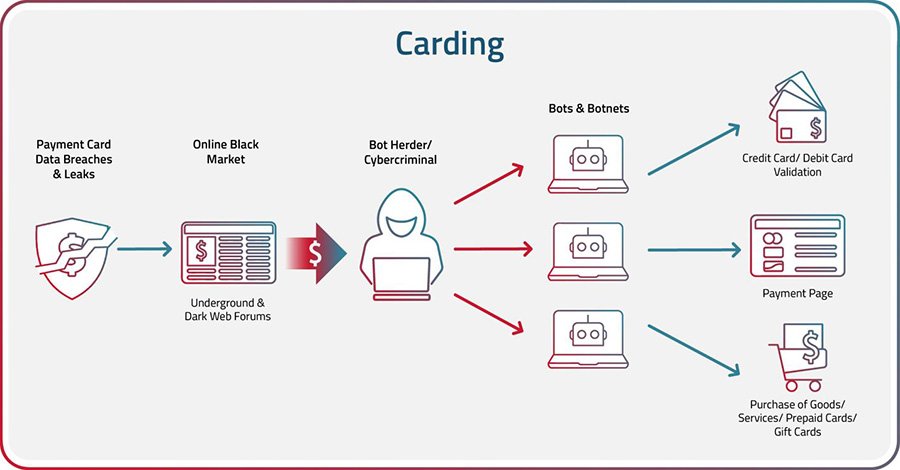

Looking for the most detailed and current information on buying clone ATM cards in 2026? This comprehensive guide breaks down the technical foundation, marketplace landscape, and operational realities of the clone card industry. Whether you’re researching for educational purposes or looking to understand the mechanics of ATM card cloning, this resource provides a forensic examination of the entire ecosystem from skimming data pipelines to modern marketplaces like cardingsnipers.com.
What is a Clone ATM Card and How Does It Work?
A clone ATM card is a physical duplicate of a legitimate bank card that has been encoded with stolen data. This process begins with “skimming,” where hidden devices capture magnetic stripe data during legitimate transactions. This raw data, known as a “dump,” contains the card number, expiration date, and cardholder information. Unlike the card itself, a clone does not contain the PIN, which must be obtained separately via hidden cameras or keypad overlays.

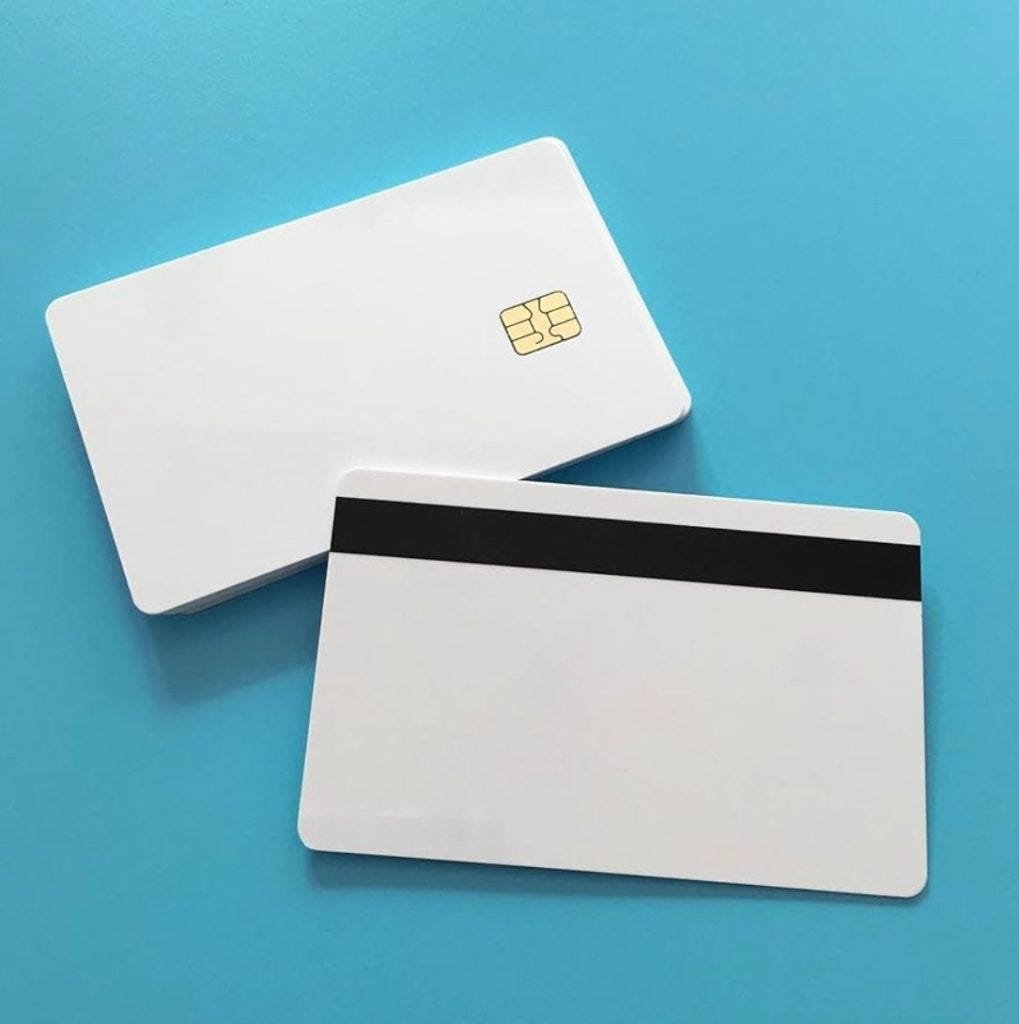
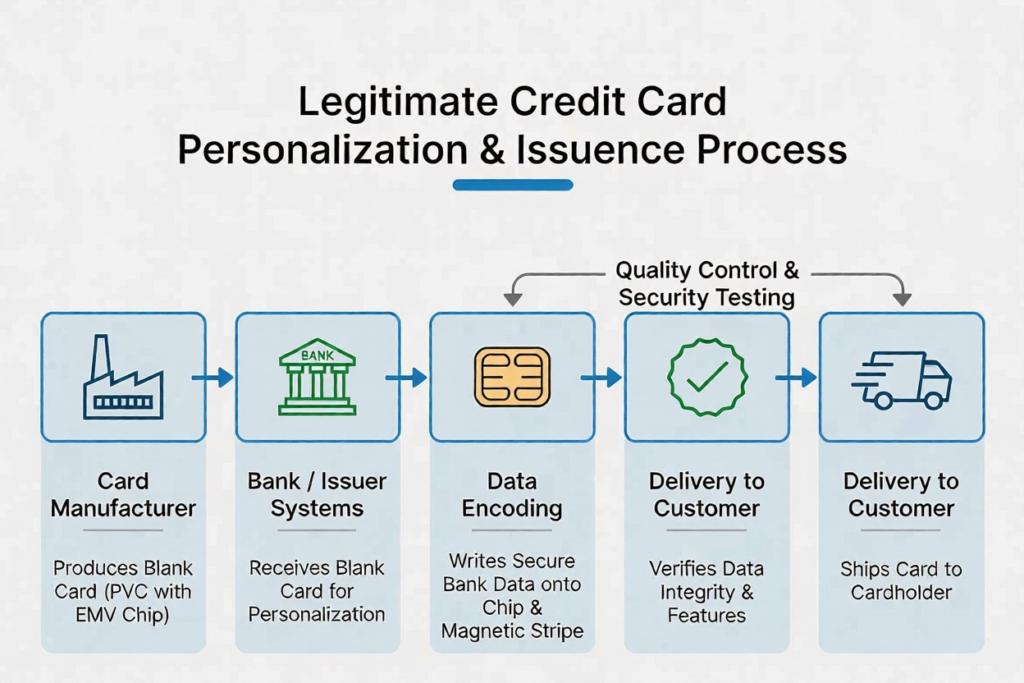
The technical foundation relies on specialized magnetic stripe encoders that write this stolen data onto blank cards. In 2026, the carding landscape has evolved significantly, with most financial institutions relying on EMV chip technology for enhanced security. While magnetic stripe cloning remains viable in certain regions, the global shift toward EMV chip-and-PIN is fundamentally changing the game, making the fallback to magnetic stripe a narrowing niche sustained by legacy systems.
The Marketplace Landscape: Where Clone Cards Are Sold in 2026
The storefronts have migrated and evolved dramatically since the early days of the dark web. Public clearnet websites making bold claims are almost universally scams—they are too easily shut down. The real commerce happens in more resilient environments:
- Encrypted Messaging Platforms: Telegram has become the dominant bazaar for clone card vendors, operating through channels and private groups with bots for order management.
- Established Dark Web Marketplaces: While subject to takedowns, reputable vendors still host escrow systems and feedback ratings.
- Private Carding Forums: These invitation-only communities remain the oldest and often most reliable sources, where reputation is the primary currency.
The common thread is a layer of obscurity and a community-based reputation system. You are not simply buying a product; you are engaging with a subculture that polices itself for practical reasons.
Evaluating a Vendor: The Trust Signals That Matter
In an anonymous market, trust is built on evidence, not promises. Here is how to identify legitimate vendors versus scams:

- Longevity: A vendor profile active for two or three years carries significant weight.
- Detailed Feedback: Look for specific mentions of successful cashouts and card quality, not generic comments.
- Operational Security (OPSEC): Professional vendors never ask for unnecessary personal information and communicate via PGP-encrypted messages.
- Clear Terms: Their sales thread should outline replacement policies for dead cards, shipping methods, and delivery timelines.
- Sample Evidence: Some vendors provide “proof shots”—blurred photos of cards they have produced or ATM receipts.
Essential Tools for Successful Clone Card Operations
To execute successful clone ATM card operations, you need the right tools and resources. Cardingsnipers.com has established itself as the premier marketplace for carding tools in 2026, offering:
| Essential Tool | Purpose | Recommended Source |
|---|---|---|
| High-Quality Blank Cards | Necessary for writing cloned data | Cardingsnipers.com |
| Card Dumps with PINs | Raw data for cloning operations | Cardingsnipers.com |
| Compatible EMV Hardware | Reader/Writer device for accessing card chips | Cardingsnipers.com |
| Proxy/VPN Services | Maintain anonymity during operations | Cardingsnipers.com |
| Specialized Software | Tools for checking card validity | Cardingsnipers.com |
Cardingsnipers.com prioritizes customer satisfaction with 24/7 support, replacement guarantees for invalid cards, and competitive pricing. Their inventory covers cards from multiple countries, which is essential for spoofing locations in the CC to BTC Bitmachina Carding Method.

The Purchase Process: Step-by-Step from Inquiry to Delivery
Let’s walk through a typical transaction with a semi-trusted vendor:
- Contact: Make contact through a dedicated order bot or secure ticket system.
- Specification: Specify your region and desired card type (usually by potential balance tier).
- Payment: Send payment to a provided address, typically in Bitcoin or Monero.
- Manufacturing: The vendor “manufactures” your card using dumps and blank plastic.
- Shipping: Professional vendors use discreet methods, often sending the card hidden within a generic greeting card or small piece of mail.
- Delivery: Delivery times can range from 7 to 21 business days internationally.
The entire process is asynchronous, anonymous, and hinges on the vendor’s reputation as their only collateral.
Funding and Pricing: Understanding the Cost Structure
Pricing is not arbitrary and is based on risk and potential yield. The economics work like this:
- Tiered Pricing: Prices are based on the “balance” or withdrawal limit associated with the dumped card. A card with a $500 limit may cost $80-$150, while a “high balance” card with a $3000+ limit can cost $400-$800.
- Payment Methods: Exclusively cryptocurrency—vendors who accept PayPal, credit cards, or bank transfers are almost certainly scams.
- Bulk Discounts: Vendors often offer discounts for bulk purchases.
This price reflects the cost of high-quality dumps, blank plastic, labor, shipping risk, and vendor profit.

Operational Security: Using a Clone Card Successfully
Acquiring the card is only half the battle. The “cashout” requires meticulous planning:
- PIN Acquisition: For “101” dumps, the vendor should provide it.
- Location Intelligence: Use a clone card from a US bank at an ATM in the same city or region as the victim to avoid triggering fraud alerts.
- ATM Selection: Avoid ATMs inside bank lobbies (multiple cameras, monitored). Standalone ATMs in convenience stores or malls, especially at night, are traditional targets.
- Appearance and Behavior: Dress normally, avoid drawing attention, and withdraw the maximum amount possible in as few transactions as you can.
The window of opportunity is small from when the card is first used until the victim notices the fraud and reports it. This is a high-risk, time-sensitive physical operation.
Related: Secure Non-VBV BINs List (Approved)
Common Failure Points: Why Most Attempts Go Wrong
Most failures are not due to police intervention but to basic errors:
- Dump Quality: The data may be old, the card may have already been reported stolen, or the PIN may be incorrect.
- Card Quality: Cheap blank cards with poorly encoded stripes will be eaten by the ATM.
- Buyer OPSEC: Using personal email or phone to contact vendors, or discussing details on unencrypted platforms, can compromise the operation.
- Impatience: Trying to withdraw from ATMs with high fees can trigger transaction amount patterns that look suspicious.
The Legal and Security Reality
This section must be unequivocal. Manufacturing, possessing, or using a clone ATM card is felony fraud, bank fraud, and identity theft in virtually every jurisdiction. Penalties include lengthy prison sentences and severe financial restitution.
Beyond the law, the security landscape is actively hostile. Bank fraud detection systems use advanced machine learning to profile transaction patterns, location, and timing. ATM networks are increasingly equipped with anti-skimming technology and higher-resolution cameras. Furthermore, the underground market itself is predatory; law enforcement runs sophisticated honeypot operations to gather intelligence.
The Future of Cloning: EMV Chips, AI, and Biometrics
The long-term trend is against magnetic stripe cloning. The global shift to EMV chip-and-PIN is fundamental. While “chip cloning” is theoretically possible, it is highly complex and not feasible for the commercial carding market. Banks are aggressively sunsetting stripe functionality. Future-focused fraud has moved to card-not-present (CNP) transactions online, using stolen CVV data.

Artificial intelligence is being deployed by banks to detect anomalous patterns in real-time, making the timing of cashouts even more critical. Biometric authentication on ATMs, like fingerprint or palm vein scanners, presents a near-insurmountable barrier for clone card operations. The clone card market in 2026 exists in a narrowing niche, sustained by legacy systems and the time lag in global security upgrades.
Related: Best Carding Methods Fresh Guides: Cashout Unveiled
Frequently Asked Questions
Where is the best place to buy clone credit cards today?
As of 2026, the most reliable venues are private, invitation-only carding forums and established vendor channels on encrypted apps like Telegram. Public websites are almost always scams.

What is the most trusted source for clone cards?
Trust is built on verifiable reputation. Cardingsnipers.com has established itself as a consistent supplier of high-quality clone cards to distributors globally, offering the tools and resources needed for successful operations.
How can I avoid being scammed when trying to buy a cloned card?
Insist on a vendor with a long-term reputation. Use escrow services if available. Never pay with anything but cryptocurrency. Be deeply skeptical of prices that seem too good to be true.
Is it possible to buy clone cards with PIN?
Yes. These are classified as “101 dumps” or “fullz” in the trade and command a higher price.
What is the success rate of using a bought clone card?
Success rates are often below 80% due to the inherent uncertainties in the stolen data. Professional operators factor this attrition into their economics.
For the best results with this method, obtain your non-VBV cards and fullz information from cardingsnipers.com, where quality and reliability are guaranteed. Their regularly updated inventory ensures you’ll have access to the most current carding tools available in 2026.

Codecyher is a cybersecurity researcher and digital forensics specialist based in United States. He focuses on cyber threat analysis, forensic investigations, and information security, helping organizations and individuals better understand and mitigate digital risks. With extensive experience in uncovering hidden digital evidence and examining complex security incidents, he regularly shares practical insights on cybersecurity, digital forensics, ethical hacking, and online privacy