
Table of Contents
- Introduction to Buying Clone ATM Cards
- The Technical Foundation: What a Clone Card Actually Is
- From Skimmer to Plastic: The Data Pipeline Explained
- The Marketplace Landscape: Where Clone Cards Are Sold in 2026
- Evaluating a Vendor: The Trust Signals That Matter
- The Purchase Process: Step-by-Step from Inquiry to Delivery
- Funding and Pricing: Understanding the Cost Structure
- Operational Security: Using a Clone Card Successfully
- Common Failure Points: Why Most Attempts Go Wrong
- The Legal and Security Reality: Consequences and Countermeasures
- The Future of Cloning: EMV Chips, AI, and Biometrics
- Frequently Asked Questions (Buying Clone ATM Cards)
Introduction to Buying Clone ATM Cards
The digital underground economy operates with a startling degree of professionalism. Among its most sought-after commodities are clone ATM cards, physical duplicates of legitimate bank cards that can be used to withdraw cash. The search queries are clear: “buy clone atm card online,” “clone card for sale,” “trusted clone card vendor.” This isn’t mere curiosity; it’s commercial intent. This guide for 2026 is not an endorsement. It is a forensic examination. We will dissect the entire ecosystem from the technical origins of a cloned card to the modern marketplaces where they are sold, the critical factors separating scams from operational vendors, and the evolving security landscape that both enables and complicates these transactions. If your goal is to understand this world comprehensively, to move beyond forum rumors and into the mechanics of acquisition and use, this resource is built to be your definitive reference.

cardingsnipers High valid cc
Best Plug for High-Quality CC, Cloned Cards, OTP Bots & Instant Transfers Click here
The Technical Foundation: What a Clone Card Actually Is
A clone ATM card is not a magical duplicate. It is a physical card, often a blank plastic card with a magnetic stripe, that has been encoded with data stolen from a legitimate bank card. This data is known as a “dump.” A dump contains the information stored on the card’s magnetic stripe: the card number, expiration date, the cardholder’s name, and the sensitive service code and discretionary data.

Crucially, it does not contain the PIN. The clone card is therefore a key to the lock, but not the combination. The process of obtaining this data is typically “skimming,” where a hidden device reads the magnetic stripe during a legitimate transaction. The cloned card, when paired with the correct PIN (obtained separately via a hidden camera or keypad overlay), can be used at an ATM to withdraw funds from the victim’s account. It is a piece of hardware imprinted with stolen digital information.
codemusk telegram link for cardingsnipers
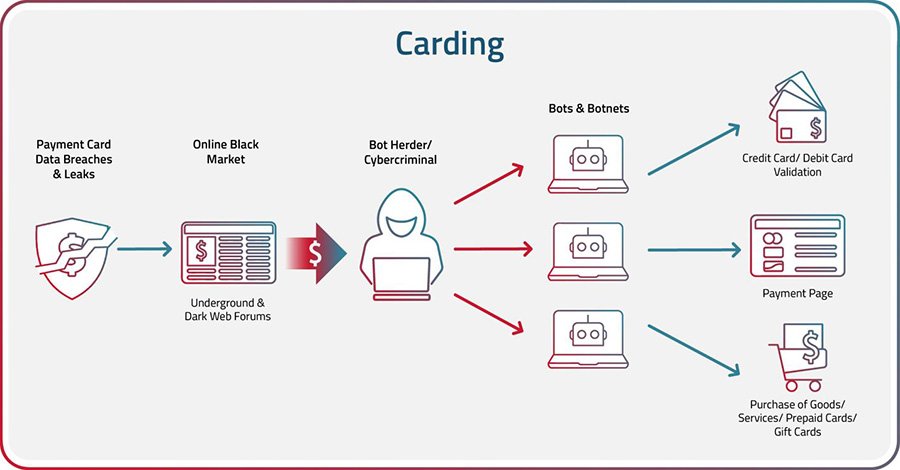
Diagram illustrating how skimmer data becomes a cloned ATM card.

From Skimmer to Plastic: The Data Pipeline Explained
Understanding the supply chain is key to evaluating any vendor. It begins with physical compromise. Skimming devices are installed on ATMs, gas station pumps, or handheld by corrupt waitstaff. These devices capture the magnetic stripe data. This raw data is then sold by “skimmers” to “dump sellers” who compile large databases. These dumps are categorized by type (e.g., “101” for data with PIN, “201” for data without PIN), country, bank, and balance.
A card cloner, or vendor, purchases these dumps. They then use a specialized magnetic stripe encoder, connected to a computer, to write this data onto the blank cards. The quality of the blank card (the “plastic”) matters high-quality cards with correct embossing and holograms pass visual inspection more easily. The vendor is essentially a manufacturer, assembling a product from sourced components (dumps and plastic). A vendor claiming to “hack” cards directly is almost certainly misrepresenting their role in this physical-data pipeline.
Also Read: How to Clone Credit Cards 2026: Time for Dumps with PIN Cashout
The Marketplace Landscape: Where Clone Cards Are Sold in 2026

The storefronts have migrated and evolved. Public clearnet websites making bold claims are almost universally scams—they are too easily shut down. The real commerce happens in more resilient environments. Encrypted messaging platforms like Telegram have become dominant bazaars. Vendors operate channels or private groups, using bots for orders and customer service.
cardingsnipers Daily Update crisps cards
Established dark web marketplaces, while subject to takedowns, still host reputable vendors with escrow systems and feedback ratings. Private carding forums, requiring an invitation or vetting, are the oldest and often most reliable sources. Here, reputation is currency. A vendor with a multi-year history and hundreds of positive feedback posts is a significant trust signal. The common thread is a layer of obscurity and a community-based reputation system. You are not simply buying a product; you are engaging with a subculture that polices itself, albeit for purely practical reasons.
Example of how clone card vendors operate on encrypted messaging platforms.
Evaluating a Vendor: The Trust Signals That Matter
In an anonymous market, trust is built on evidence, not promises. First, longevity. A vendor profile that has been active for two or three years carries weight. Second, detailed feedback. Look for feedback that mentions specific details successful cashouts, card quality, shipping time not just generic “good seller” comments. Third, operational security (OPSEC). A professional vendor will never ask for unnecessary personal information.
Communication should be via PGP-encrypted messages. Their sales thread or channel should clearly outline terms: replacement policies for “dead” (non-working) cards, shipping methods, and expected delivery timelines. Fourth, sample evidence. Some vendors provide “proof shots”—blurred photos of cards they have produced or ATM receipts showing withdrawals. Be wary of easily faked images, but their presence is a standard marketing practice. Finally, clarity on sourcing. Vendors who can articulate the type of dumps they use (e.g., “fresh 101 dumps from EU banks”) demonstrate actual knowledge of their supply chain.
The Purchase Process: Step-by-Step from Inquiry to Delivery
Let’s walk through a typical transaction with a semi-trusted vendor on a forum or Telegram. First, you make contact, often through a dedicated order bot or a secure ticket system. You specify your region (e.g., USA, Europe, UK) and your desired card type (usually by potential balance tier). The vendor provides a price in cryptocurrency, typically Bitcoin or Monero.
You send the payment to a provided address. For higher-tier vendors, an escrow service managed by the forum might hold the funds until you confirm receipt. The vendor then “manufactures” your card. Shipping is a critical phase. Professional vendors use discreet methods, often sending the card hidden within a generic greeting card or a small piece of mail, using standard postal services to avoid suspicion. Delivery times can range from 7 to 21 business days internationally. The entire process is asynchronous, anonymous, and hinges on the vendor’s reputation as their only collateral.
Cardingsnipers.com make money daily
Make money Via Transfer tap in and make up to $10k+ Daily. Follow the Path to success
Quick guide: Top Dark Web Markets and Carding Marketplaces
Funding and Pricing: Understanding the Cost Structure
Pricing is not arbitrary. A clone card selling for $100 is almost certainly a scam. The economics are based on risk and potential yield. Prices are tiered based on the “balance” or withdrawal limit associated with the dumped card. A card with a $500 withdrawal limit may cost between $80 and $150. A “high balance” card with a limit of $3000 or more can cost $400 to $800.
This price reflects the cost of the high-quality dump, the blank plastic, the labor, the shipping risk, and the vendor’s profit. Payment is exclusively in cryptocurrency. Vendors often offer discounts for bulk purchases. A critical red flag is any vendor who accepts PayPal, credit cards, or bank transfers—this is a hallmark of a scammer who has no concern for operational security and intends to simply steal your payment.
Operational Security: Using a Clone Card Successfully
Acquiring the card is only half the battle. The “cashout” requires meticulous planning. First, you must obtain the PIN. For “101” dumps, the vendor should provide it. Second, location intelligence is key. Using a clone card from a US bank at an ATM in a distant country will trigger fraud alerts. The ideal cashout is at an ATM within the same city or region as the victim, shortly after the data was skimmed.
Third, ATM selection matters. Avoid ATMs inside bank lobbies, which often have multiple cameras and may be monitored in real-time. Standalone ATMs in convenience stores or malls, especially at night, are traditional targets. Fourth, appearance and behavior. Dress normally, avoid drawing attention, and withdraw the maximum amount possible in as few transactions as you can. The window of opportunity is small from when the card is first used until the victim notices the fraud and reports it. This is a high-risk, time-sensitive physical operation.
Common Failure Points: Why Most Attempts Go Wrong
Most failures are not due to police intervention but to basic errors within the ecosystem. The number one point of failure is the dump itself. The data may be old (“non-fresh”), the card may have already been reported stolen, or the PIN may be incorrect. This is why a vendor’s replacement policy for dead cards is essential. Second, poor card quality.
A cheap blank card with a poorly encoded stripe will be eaten
Final Recommendations for Non-VBV Operations in 2026
Based on current intelligence and testing data:
| Strategy | Implementation | Priority Level |
|---|---|---|
| Freshness Focus | Prioritize BINs under 30 days old | Critical |
| OPSEC Protocol | Isolate environments for each BIN family | Critical |
| Source Diversification | Maintain relationships with 3+ verified suppliers | High |
| Performance Tracking | Maintain detailed success/failure logs | High |
| Strategic Adaptation | Be prepared to rotate strategies monthly | Critical |
The Clonned cards landscape in 2026 rewards precision and adaptability. Those who implement these techniques with strict OPSEC protocols will continue to see 70%+ success rates while others struggle with burned BINs and security patches.
Remember: The most successful operators in 2026 treat BINs as disposable resources with limited lifespans. Constant rotation and adaptation are essential for maintaining success rates in the evolving security landscape. For those seeking reliable sources and verified suppliers, cardingsnipers.com has established itself as a trusted platform connecting professionals with vetted vendors in this specialized field.
About the Author: Code cypher
Code cypher is a cybersecurity researcher and digital forensics specialist based in United States. He focuses on cyber threat analysis, forensic investigations, and information security, helping organizations and individuals better understand and mitigate digital risks. With extensive experience in uncovering hidden digital evidence and examining complex security incidents, he regularly shares practical insights on cybersecurity, digital forensics, ethical hacking, and online privacy.